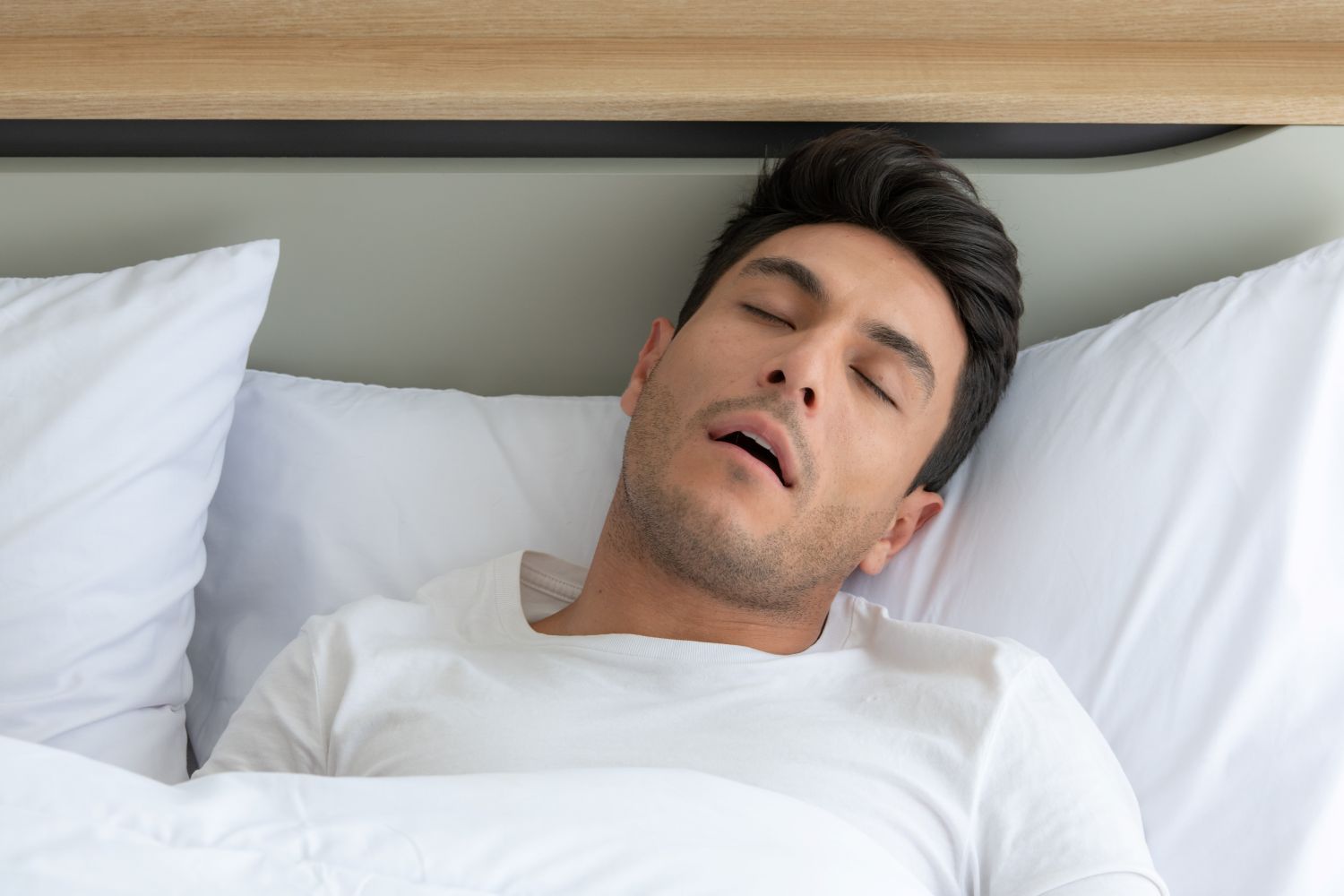
Is Snoring Dangerous? What Your Nighttime Noise Could Be Telling You
If you’ve ever been nudged awake for snoring—or if your partner’s nightly symphony keeps you up—you’ve probably wondered: Is snoring just a noisy nuisance, or could it be a sign of something serious?
The short answer? It depends. While occasional light snoring is common and often harmless, loud, chronic snoring can be a red flag for underlying health issues that shouldn’t be ignored.
What Causes Snoring?
Snoring happens when air flows through relaxed tissues in your throat, causing them to vibrate as you breathe. Think of it like a flag flapping in the wind—the looser the tissue, the louder the sound.
Common contributors include:
- Anatomy: A deviated septum, enlarged tonsils, or a long soft palate
- Nasal congestion from allergies or colds
- Sleeping position: Back sleeping often makes it worse
- Age: Throat muscles naturally relax over time
- Weight gain creating extra tissue around the neck
- Alcohol or sedatives can relax throat muscles excessively
When Snoring Is More Than Just Noise: The Sleep Apnea Connection
This is where attention is needed. Loud, chronic snoring—especially when punctuated by gasps, snorts, or pauses in breathing—may indicate obstructive sleep apnea (OSA).
Sleep apnea is a condition where breathing repeatedly stops and starts during sleep. These pauses can last from a few seconds to over a minute and may occur dozens of times per hour. Each time breathing stops, your brain briefly wakes you up to restart breathing—often without you remembering it.
Why Sleep Apnea Matters
When left untreated, sleep apnea doesn’t just ruin sleep quality. It strains your entire body:
- Heart and circulation: Increases risk of high blood pressure, heart attack, stroke, and atrial fibrillation
- Metabolism: Linked to type 2 diabetes and weight gain
- Brain function: Contributes to morning headaches, memory issues, and difficulty concentrating
- Daytime impact: Causes excessive fatigue, irritability, and increased risk of accidents
- Overall quality of life: Affects mood, relationships, and work performance
Other Health Signals Your Snoring Might Be Sending
Beyond sleep apnea, consistent snoring can indicate:
- Nasal or Sinus Issues: Chronic congestion from allergies, sinusitis, or structural problems
- Thyroid Disorders: Hypothyroidism can affect muscle tone in the airway
- Acid Reflux: Stomach acid can irritate throat tissues
- Medication Side Effects: Some prescriptions increase relaxation of throat muscles
Self-Assessment: Is Your Snoring Cause for Concern?
Ask yourself (or your partner) these questions:
- Is your snoring loud enough to be heard through closed doors?
- Do you wake up gasping or choking?
- Do you experience daytime fatigue despite spending enough time in bed?
- Do you have morning headaches or dry mouth upon waking?
- Has your partner noticed breathing pauses during your sleep?
- Do you have high blood pressure or unexplained weight gain?
If you answered "yes" to any of these, it's worth discussing with a healthcare provider.
What You Can Do: From Lifestyle Changes to Professional Help
Start with These At-Home Strategies:
- Change sleep position: Try side sleeping
- Maintain a healthy weight: Even modest weight loss can reduce snoring
- Avoid alcohol before bed: Especially within 3 hours of sleeping
- Treat nasal congestion: Saline sprays, nasal strips, or allergy management
- Establish regular sleep patterns: Consistency helps overall sleep quality
When to Seek Professional Evaluation:
If lifestyle changes don't help—or if you suspect sleep apnea—it's time to see a specialist. At Kentuckiana ENT, our approach includes:
- Comprehensive Examination: We'll evaluate your nose, throat, and airway anatomy.
- Sleep Study Discussion: We can help determine if a home sleep test or in-lab study is right for you.
- Personalized Treatment Plan: Options range from conservative to procedural, depending on your needs.
Modern Treatment Options
While CPAP (continuous positive airway pressure) is highly effective for sleep apnea, it's not the only option. Depending on your anatomy and preferences, we may discuss:
- Oral Appliance Therapy: Custom-fitted dental devices that reposition the jaw
- Positional Therapy: Devices that encourage side sleeping
- Surgical Options: Including minimally invasive procedures to address structural issues
- Inspire Therapy: An implanted device that stimulates airway muscles during sleep
Sleep Doctors in Greater Louisville Area
Occasional light snoring after a long day or during allergy season is usually nothing to worry about. But loud, chronic snoring that affects your sleep or your partner's sleep deserves attention.
Don't dismiss snoring as just an annoying habit. It could be your body's way of saying something needs adjustment—whether it's your sleep position, your weight, your allergies, or something more significant like sleep apnea.
At Kentuckiana ENT, we specialize in helping patients understand their symptoms and find solutions that work for their lifestyle. You deserve restful sleep and peaceful nights—and so does your partner.
Concerned about your snoring or sleep quality? Take the first step toward quieter nights and more energized days. Schedule a consultation with our sleep specialists at Kentuckiana Ear, Nose, and Throat. We'll help you understand what your snoring is telling you—and what you can do about it.