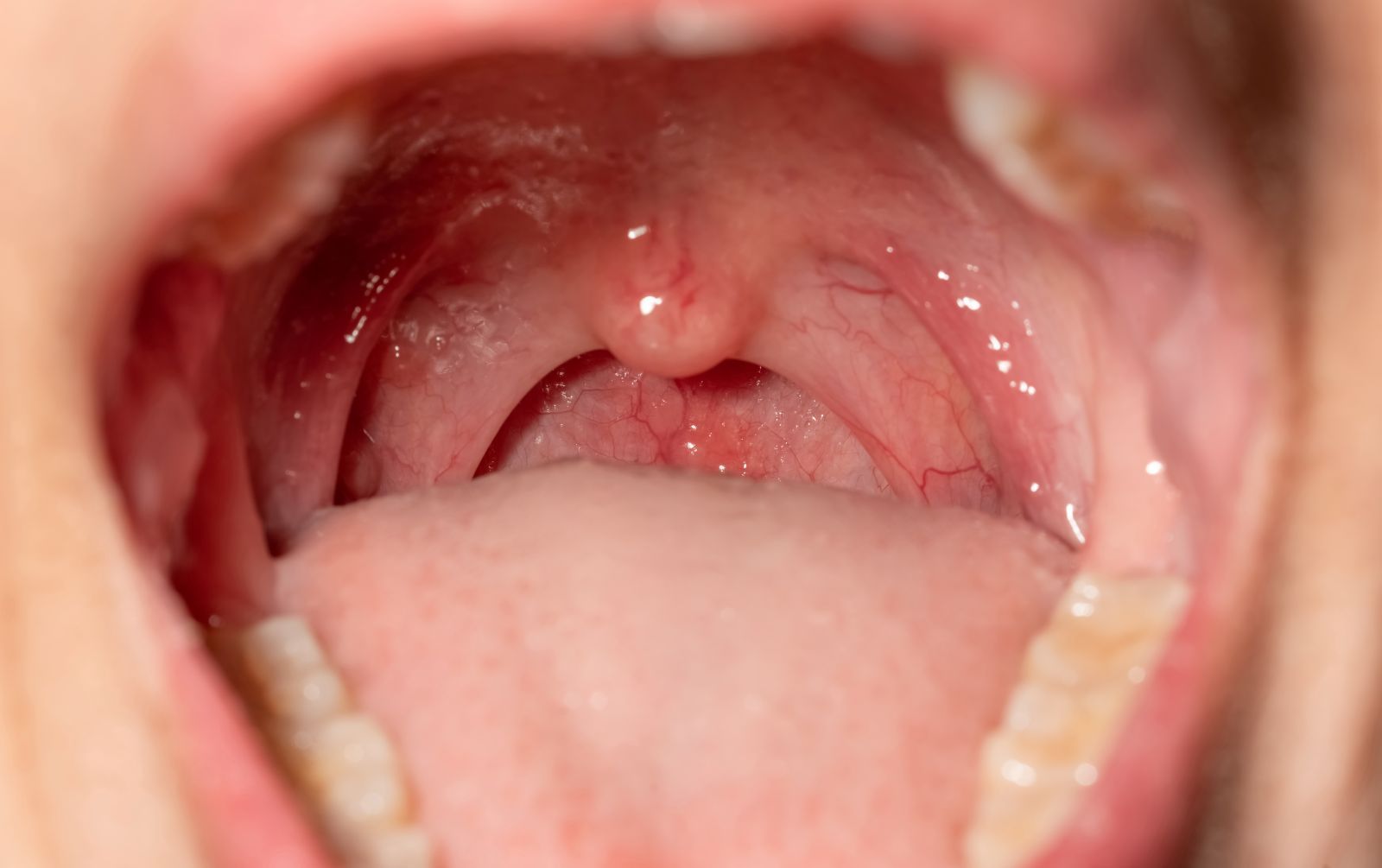
Can Tonsillitis Cause Ear Pain? Causes, Symptoms, and Treatment
Yes, tonsillitis can cause ear pain. Even when there are no ear infection present, inflamed tonsils can trigger pain that is felt in one or both ears. This is known as referred pain and is a common symptom of tonsillitis.
Here's what causes ear pain with tonsillitis, when to be concerned, and other important tonsil-related conditions to know about.
What Is Tonsillitis?
Tonsillitis is inflammation of the tonsils; the two masses of lymphatic tissue located at the back of the throat. It is commonly caused by viral or bacterial infections and can lead to symptoms such as a sore throat, difficulty swallowing, swollen tonsils, fever, bad breath, and ear pain.
Why Does Tonsillitis Cause Ear Pain?
The ears and throat are closely connected through several nerves, particularly the glossopharyngeal nerve.
When the tonsils become inflamed, the brain may interpret pain signals as originating from the ear. This phenomenon is called referred otalgia or referred ear pain. In many cases, the ear itself is completely healthy, and there may be no ear infection present. Instead, the discomfort is actually coming from inflammation in the throat.
Patients may describe the pain as sharp, dull, aching, or pressure-like, and it often becomes worse when swallowing. An ENT evaluation can help determine whether the pain originates from the tonsils, the ear, or another nearby structure.
When Should You Be Concerned About Ear Pain with Tonsillitis?
While ear pain is often a normal symptom of tonsillitis, certain situations warrant prompt medical attention.
You should schedule an evaluation if you have severe or worsening pain, difficulty swallowing or breathing, a persistent fever, symptoms lasting longer than a week, recurrent episodes of tonsillitis, one-sided throat pain, a lump in the neck, or unexplained weight loss. These symptoms may indicate a more serious infection or another underlying condition that requires further evaluation.
Are Tonsil Stones Dangerous?
One of the most frequently asked questions patients have been: Are tonsil stones dangerous?
In most cases, tonsil stones are not dangerous.
Tonsil stones, also called tonsilloliths, form when food particles, bacteria, dead cells, and debris become trapped in small crevices of the tonsils and harden over time.
People with tonsil stones often experience bad breath, chronic throat irritation, a sensation that something is stuck in the throat, difficulty swallowing, ear discomfort, or visible white or yellow deposits on the tonsils.
Although tonsil stones are typically harmless, large or recurring stones can cause significant discomfort and may contribute to chronic inflammation. Patients who experience frequent tonsil stones may benefit from an ENT evaluation to discuss long-term treatment options.
Why Is One Tonsil Larger Than the Other?
Many people notice that one tonsil appears larger than the other and immediately worry about cancer.
Fortunately, mild asymmetry is relatively common.
A single enlarged tonsil may result from previous infections, chronic inflammation, tonsil stones, benign lymphoid tissue enlargement, or a peritonsillar abscess.
However, persistent enlargement should always be evaluated, especially if it occurs along with one-sided ear pain, difficulty swallowing, neck masses, unexplained weight loss, or a persistent sore throat.
An ENT specialist can determine whether additional testing is necessary.
Can Tonsil Cancer Be Mistaken for Tonsillitis?
Yes. In some cases, tonsil cancer can initially resemble chronic tonsillitis.
Early symptoms may include a persistent sore throat, one-sided tonsil enlargement, difficulty swallowing, ear pain without an ear infection, neck swelling, and voice changes.
Because these symptoms overlap with common infections, some patients delay evaluation, assuming they simply have recurrent tonsillitis.
Fortunately, tonsil cancer is much less common than tonsillitis. However, symptoms that do not improve with treatment should always be assessed by an ENT specialist, as early diagnosis significantly improves treatment outcomes.
How Is Tonsillitis Diagnosed?
During your visit, an ENT provider will perform a thorough examination of the throat, tonsils, ears, and neck.
Depending on your symptoms, testing may include a physical examination, throat culture, rapid strep test, flexible nasal endoscopy, imaging studies, or a biopsy if suspicious tissue is present.
The goal is to identify the underlying cause of your symptoms and determine the most appropriate treatment plan.
How Is Tonsillitis Treated?
Treatment for tonsillitis depends on whether the infection is viral or bacterial, as well as the severity and frequency of symptoms.
For mild cases, conservative treatment is often recommended. This may include getting plenty of rest, staying well hydrated, gargling with warm salt water, using over-the-counter pain relievers, and soothing the throat with lozenges.
If a bacterial infection such as strep throat is diagnosed, your ENT doctor may prescribe antibiotics to help eliminate the infection and reduce the risk of complications.
For patients who experience chronic tonsillitis, recurrent infections, sleep-disordered breathing, or persistent tonsil stones, a tonsillectomy may be recommended. This surgical procedure removes the tonsils and can provide long-term relief from recurring symptoms.
An ENT specialist can evaluate your condition and determine the most appropriate treatment option for your individual needs.
Frequently Asked Questions
Can tonsillitis cause ear pain without an ear infection?
Yes. Referred pain from inflamed tonsils commonly causes ear discomfort even when the ear itself is healthy.
How long does ear pain from tonsillitis last?
Most cases improve as the throat infection resolves, usually within several days to one week.
Can tonsil stones cause ear pain?
Yes. Tonsil stones can irritate nearby tissues and occasionally contribute to referred ear pain.
Should I worry if one tonsil is larger than the other?
Mild asymmetry is common, but persistent enlargement should be evaluated by an ENT specialist, particularly if accompanied by ear pain or difficulty swallowing.
Can tonsil cancer feel like tonsillitis?
In some cases, yes. Persistent symptoms that do not improve should be medically evaluated.
Tonsillitis Treatment in Louisville, Kentucky, and Jeffersonville, Indiana
While tonsillitis is a common condition, symptoms such as ear pain, recurrent infections, enlarged tonsils, and persistent throat discomfort should never be ignored.
If you're experiencing ongoing throat pain, ear discomfort, recurrent tonsillitis, enlarged tonsils, or tonsil stones, the experienced ENT specialists serving Louisville, Kentucky, and Jeffersonville, Indiana, can provide a comprehensive evaluation and personalized treatment plan. Early diagnosis can help identify the cause of your symptoms and ensure you receive the most appropriate care.