Is Snoring Dangerous? Signs & Sleep Apnea Insights
Snoring may seem harmless at first, but persistent snoring can disrupt sleep quality, affect relationships, and even signal serious health concerns. For patients seeking reliable snoring treatment in Louisville, KY, Kentuckiana Ear, Nose & Throat provides advanced care for chronic snoring, sleep apnea, and sleep-related breathing issues. With personalized evaluations and modern treatment options, patients can finally enjoy peaceful sleep again.
Why Snoring Happens
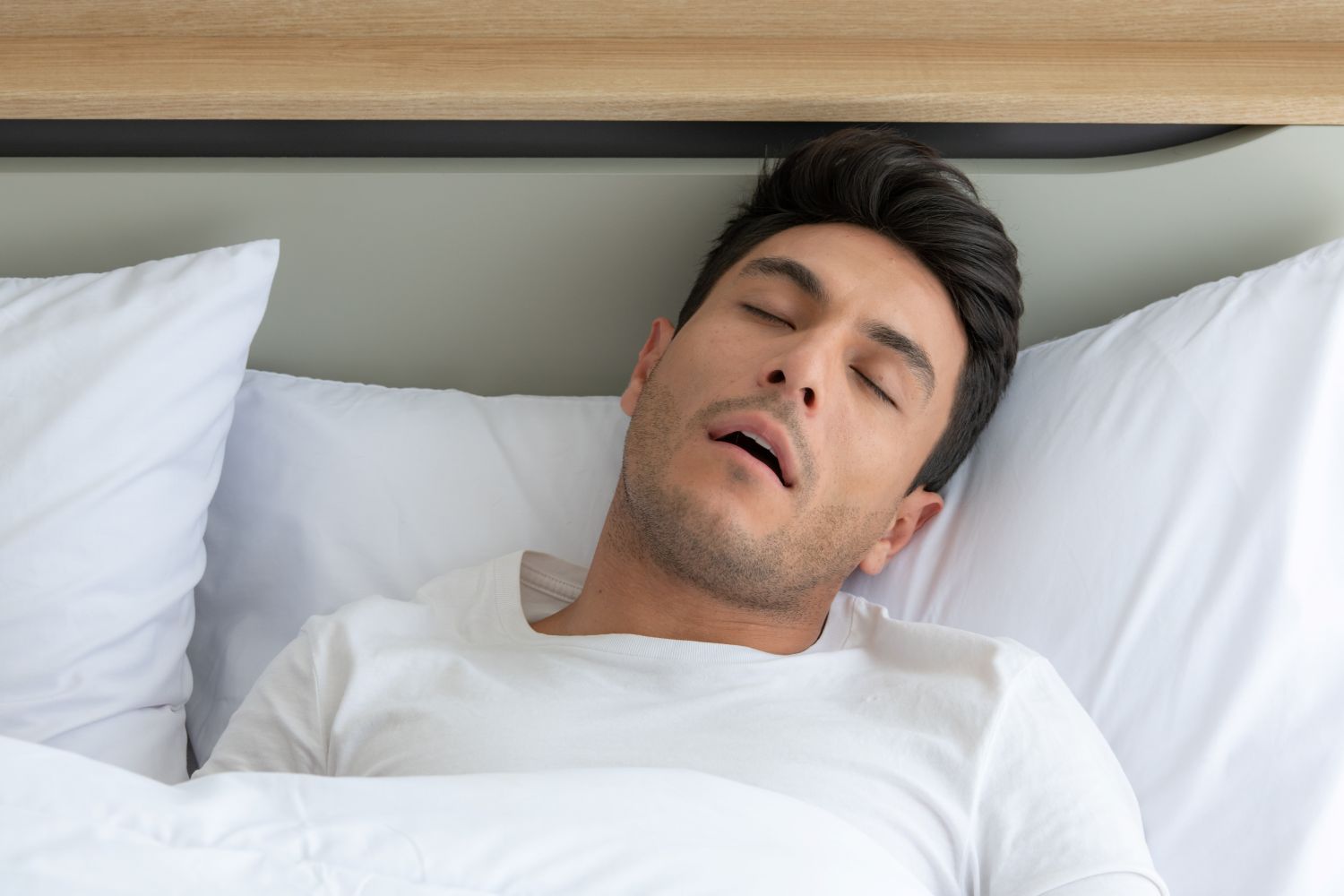
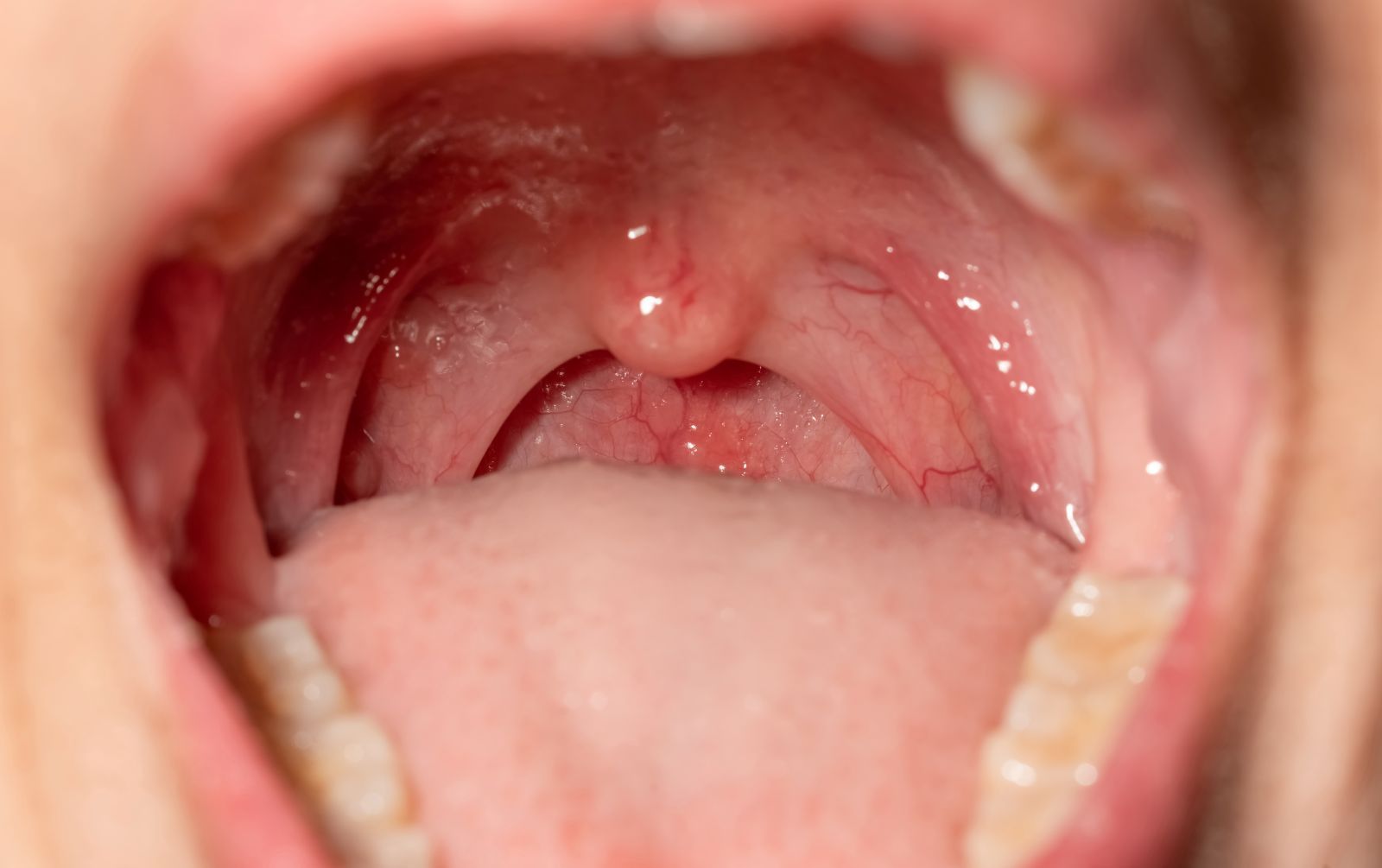
Snoring occurs when airflow is partially blocked while sleeping. This blockage causes the tissues in the throat and airway to vibrate, creating the familiar snoring sound. While occasional snoring is common, regular loud snoring may indicate underlying conditions that require professional attention. Several factors can contribute to snoring, including:
- Nasal congestion or sinus problems
- Enlarged tonsils or adenoids
- Excess weight around the neck
- Sleep apnea
- Deviated septum
- Poor sleep position
- Alcohol consumption before bedtime
A proper ENT evaluation can help determine the exact cause and identify the most effective snoring treatment for each patient in Louisville, KY.
Signs You Should Seek Professional Help
Many people overlook snoring until it begins to affect their sleep quality, energy levels, and daily routine. However, certain symptoms should not be overlooked. Seeking early care can prevent complications and improve overall health. Common warning signs include:
- Excessive daytime fatigue
- Pauses in breathing during sleep
- Morning headaches
- Difficulty concentrating
- Irritability or mood changes
- Loud chronic snoring
Effective Snoring Treatment Options
Treatment depends on the cause, severity, and overall airway health. After an ENT evaluation, common treatment options may include the following:
1. Lifestyle Modifications
For mild snoring, healthy daily habits may help reduce symptoms. Maintaining a healthy weight, avoiding alcohol before bedtime, keeping a regular sleep routine, and sleeping on the side can support better breathing during sleep.
2. Nasal and Sinus Treatment
Nasal blockage can make snoring worse.
Managing allergies, sinus infections, congestion, or other nasal breathing problems may help improve airflow and reduce nighttime breathing disturbances.
3. CPAP Therapy
When snoring is linked to sleep apnea, CPAP therapy may be recommended. This device helps keep the airway open during sleep, reducing breathing pauses and supporting more restful sleep.
4. Inspire Hypoglossal Nerve Stimulation Therapy
For some patients with obstructive sleep apnea who cannot tolerate CPAP therapy,
Inspire hypoglossal nerve stimulation may be recommended. Inspire is an implantable device that helps keep the airway open during sleep by stimulating the muscles that control tongue movement. This minimally invasive treatment may help reduce snoring, improve sleep quality, and decrease sleep apnea episodes for eligible patients.
5. Surgical Solutions
In some cases, structural issues in the nose, tonsils, soft palate, or throat may contribute to snoring. Surgical treatment may be recommended when conservative therapies do not provide enough relief.
Potential surgical procedures may include:
•
Septoplasty for a deviated septum
•
Tonsillectomy
•
Turbinate reduction
• Soft palate procedures
The goal of surgery is to improve airflow, reduce airway collapse, and support better long-term sleep quality.
Why Choose Specialized ENT Care
Choosing an experienced ENT specialist is important when exploring options to manage chronic snoring. Kentuckiana Ear, Nose & Throat combines advanced diagnostic technology with compassionate patient care to deliver effective solutions for long-term relief.
Do not let chronic snoring affect your sleep and health any longer. If chronic snoring or sleep apnea is affecting your sleep quality, schedule an evaluation with Kentuckiana Ear, Nose & Throat to explore personalized treatment options in Louisville, KY.
FAQs:
What causes chronic snoring?
Chronic snoring often happens when airflow is partially blocked during sleep. Nasal congestion, enlarged tonsils, excess weight, sleep apnea, or poor sleep position may contribute to the problem. Kentuckiana Ear, Nose & Throat can help patients understand the possible cause through an ENT evaluation.
Can snoring be a sign of sleep apnea?
Yes. Loud and regular snoring may be a sign of obstructive sleep apnea. This condition can cause repeated breathing pauses during sleep, leading to daytime fatigue, morning headaches, and poor concentration. A medical evaluation can help confirm whether sleep apnea is involved.
When should I seek treatment for snoring?
You should seek medical care if snoring affects your sleep, causes daytime tiredness, or is linked with choking, gasping, or breathing pauses at night. Early evaluation can help detect underlying issues and support better long-term sleep health.
What are the common options for managing snoring?
Common options may include lifestyle changes, allergy care, nasal treatment, CPAP therapy, or surgical procedures when structural issues are involved. The best option depends on what is causing the snoring and how serious the symptoms are.
Can weight loss reduce snoring?
Yes. Weight loss may reduce snoring for some people. Extra tissue around the neck can narrow the airway and increase vibration during sleep. Kentuckiana Ear, Nose & Throat recommends healthy lifestyle changes as part of a broader care plan when weight is a contributing factor.
How do ENT specialists diagnose snoring problems?
ENT specialists usually examine the nose, throat, tonsils, and airway to check for blockage or structural concerns. They may also review sleep symptoms, medical history, and breathing patterns. In some cases, a sleep study may be suggested for further evaluation.
Is surgery always needed for snoring?
No. Surgery is not always needed. Many people improve with lifestyle changes, allergy care, nasal treatment, or CPAP therapy. Surgery may only be considered when structural problems in the nose, throat, tonsils, or soft palate are contributing to persistent snoring.
Can allergies make snoring worse?
Yes. Allergies can make snoring worse by causing nasal swelling, congestion, and restricted airflow. When breathing through the nose becomes difficult, nighttime snoring may increase. Managing allergies and sinus symptoms can often help improve airflow during sleep.
Does sleeping position affect snoring?
Absolutely. Sleeping position can affect snoring. Sleeping on the back may cause the tongue and soft tissues to fall backward, narrowing the airway. Side sleeping may help keep the airway more open and reduce snoring in some people.
Why choose Kentuckiana Ear, Nose & Throat for snoring concerns?
Kentuckiana Ear, Nose & Throat provides experienced ENT care for patients dealing with chronic snoring and sleep-related breathing concerns. The clinic focuses on identifying the cause, improving airflow, and helping patients in Louisville, KY achieve better sleep and overall comfort.